Guides
Guides to the marks on antiques
Short, sourced guides for the moment you turn a piece over and find a mark. Every fact links to the source it came from.
All guides
-
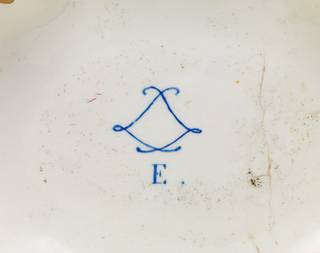
How to read pottery and porcelain marks
For the mark under a plate, cup or vase: how it was put there, what it can tell you about the maker and date, and where it can mislead.
-
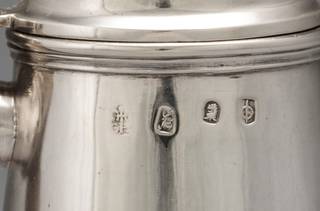
British silver hallmarks explained
For the row of small marks on British silver: the standard numbers, how date letters and their cycles work, and the plated words that are not silver marks.
-
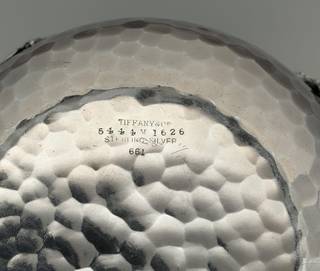
Dating antiques by registration and patent marks
For a diamond, an Rd number, a patent number or Made in wording: what each official system really dates.
-
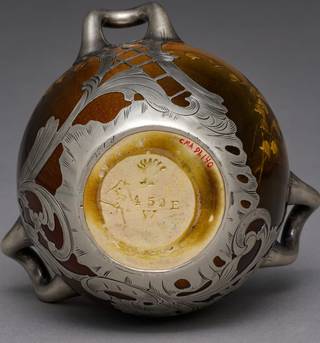
How to photograph a maker's mark
For taking a clear photo of a piece and its mark, with good light, a steady hand and the mark filling the frame.
Each guide is written from sourced records only: the makers' own histories, museum catalogue entries, government and assay office documents, and mark books old enough to be in the public domain. Where the sources disagree, the guide shows both. Where they run out, the guide says so. How the guides are researched and checked is set out on the methodology page.
Photographs: open-access collections of the Metropolitan Museum of Art and the Cleveland Museum of Art, credited in full on each guide.
Piece in your hand?
Photograph it and its mark. Velqo gives a first identification of the maker, period and origin.